

Trini Tile's Latest
News/Updates


Tile Sealer: What It Is & When to Use It
July 27, 2026
If you’re planning a new renovation, you may have heard that you’ll need to seal your tile and grout. Tile sealer is a protective treatment that helps prevent grout and certain types of tiles from absorbing moisture and stains. Since grout needs to cure before being sealed, many contractors leave this final step to the homeowner. Here's what you need to know about tile sealer.
Which Types of Tiles Need Sealing?
Most professionals recommend sealing all grout lines, especially in humid rooms or outdoor spaces. Grout is naturally porous, so sealing it helps protect against moisture, stains, and mildew.
Since ceramic and porcelain tiles are already non-porous, they do not typically require sealing. Natural stone tiles, however, such as marble, granite, and travertine, are highly porous and should be sealed to help prevent moisture and stains from penetrating the surface.
To tell if your grout or tile is already sealed, place a few droplets of water on the surface. If the tile or grout darkens or changes colour, it is likely not sealed. At Trini Tile, most of our tiles are ceramic and porcelain and don’t need to be sealed.
Which Tile and Grout Sealer Should I Use?
There are two main types of tile sealer: penetrating sealer and topical sealer. Most contractors opt for penetrating sealers because they produce a natural, non-glossy look while protecting below the surface. We recommend Aqua Mix Sealer’s Choice Gold as your go-to option. If you’re only sealing grout, Miracle Sealants GRT SLR is an effective and budget-friendly choice.
How Do I Apply Sealer?
You can apply grout and tile sealer in four quick steps:
Clean Your Surface
Start by using warm water, a pH-neutral tile cleaner, and a clean cloth to wipe down your surface. Natural stone tile floors are generally sealed before applying grout, with a grout release sealer, then sealed a second time with the grout.
Let It Dry
After cleaning, let your grout and tiles dry. Some manufacturers recommend sealing grout and tiles 48–72 hours after installation, while others recommend waiting up to 30 days. Make sure to follow your manufacturer’s recommendations, as curing times can vary.
Apply the Sealer
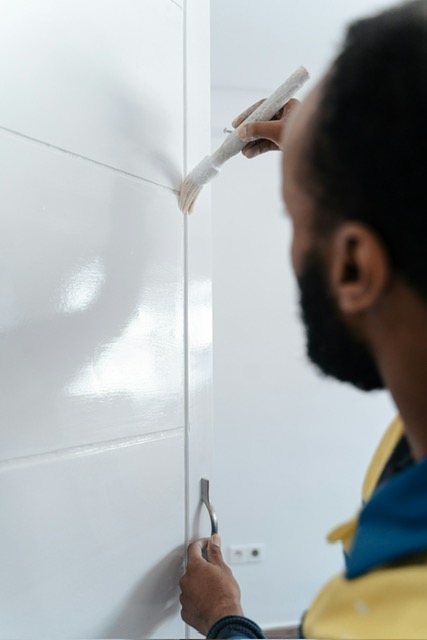
Apply the sealer consistently in the individual grout lines with a brush applicator. For natural stone, use a brush or cloth to apply the sealer evenly. Wipe away any excess sealer from the surface of the tile within three to five minutes to prevent a hazy or sticky residue from forming. Sealer can change the colour of tile — make sure to try it on a discreet area before applying.
Test Your Surface
After letting the surface dry, you can test the sealer by dropping water on the tile or grout. If the water soaks in instead of beading on the surface, you may need to apply a second coat. After applying the sealer, the surface should not be walked on for up to 48 hours.
To keep your grout and natural stone protected, reapply sealer every 12–18 months, especially in humid or outdoor spaces.
Looking for the best tiles for your next renovation? Visit Trini Tile to explore our collection.